
From the slashers of the 70s and 80s to the social horror of the 2010s, suburbia has been a feature of the horror landscape for quite a while. But how has the changed? What does it mean? What exactly is suburban horror?
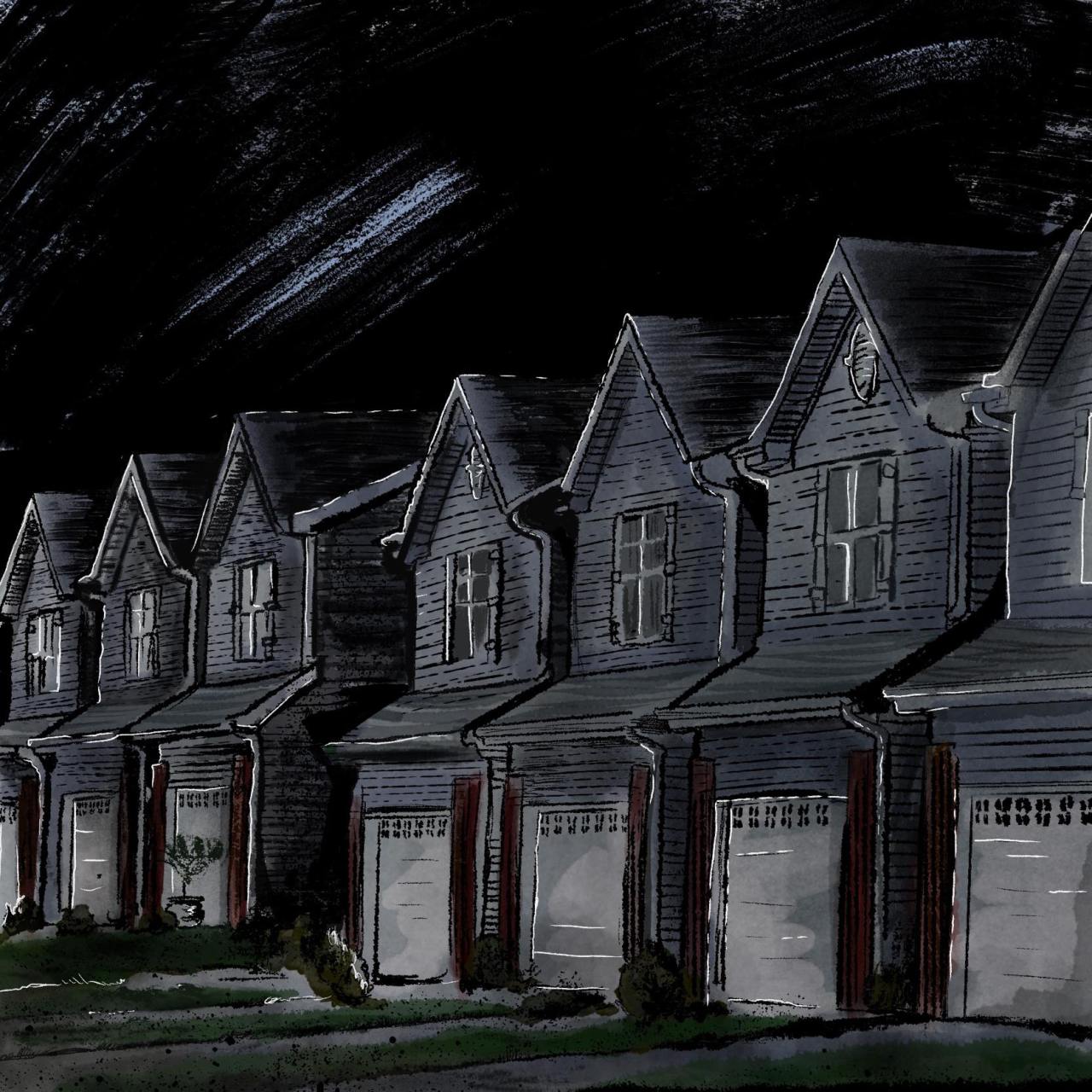
From the slashers of the 70s and 80s to the social horror of the 2010s, suburbia has been a feature of the horror landscape for quite a while. But how has the changed? What does it mean? What exactly is suburban horror?
Author Stuart Thaman turns to Sinister for an answer to the most basic horror question – what makes horror scary?

Despite featuring women in lead roles for centuries, horror has always had a fraught relationship with gender. Cam, Neon Demon, and Promising Young Woman offer a unique perspective by framing their narratives with feminine signifiers.

What is more terrifying: the dark or the vast? According to Mark Z. Danielewski’s House of Leaves, it’s both. Here’s why.

Long gone are the days when filming in black and white was the only practical option for directors Still, modern filmmakers sometimes choose to shoot their stories in B&W. Here’s why.

I’m sure you’ve seen the memes. It’s Always Sunny in Philadelphia, “Mac and Dennis Move to the Suburbs.” A screencap of the episode ran through a black-and-white filter. The caption: The Lighthouse (2019).

You are standing at the edge. It is dark. Oh God what was that? A rustle of leaf. That thump: a footstep soft against the dirt or your own pulse twitching? Is there something out there? You need to know.
 Slow Burn Horror