
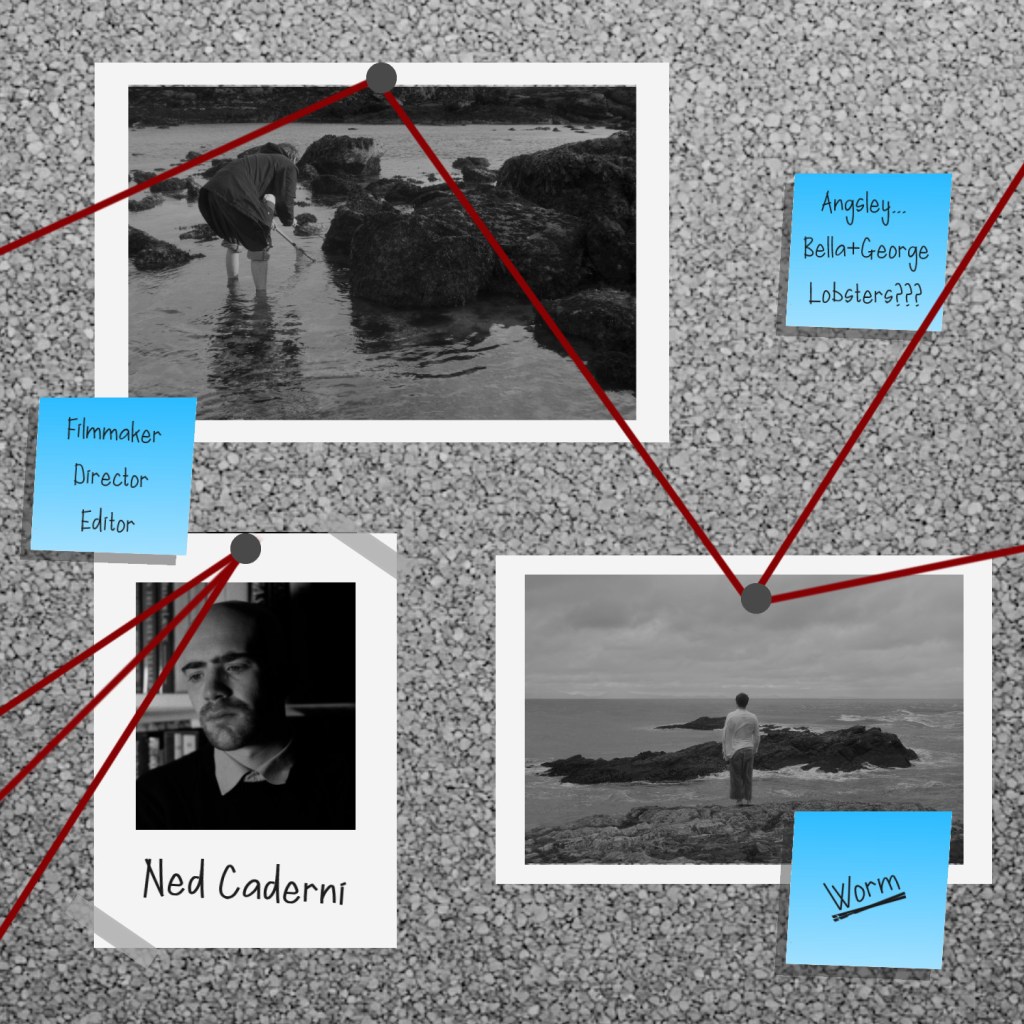
“One of my favourite pieces of art is a sketch that Goya did towards the end of his life. It’s a rough self-portrait with simply ‘I am still learning’ written beneath it. This is the fucking guy who painted Saturn Devouring His Son, and here is still humble enough to say ‘I am still learning’. The confidence to know that you will never know everything is truly freeing.”
Ned Caderni
Who is Ned Cadeni?
Ned Caderni is a London-based filmmaker whose first feature film, Worm, debuts this week (April 9th, 2026 for those of you reading this in the future). A graduate of the University of East Anglia’s Creative Writing program (twinsies), Caderni has worked on a broad range of creative projects, from creating shorts that win best film of the year at film festivals to directing music videos, researching factual and drama TV to copywriting.
According to Caderni, the key to a film’s success is “Planning, planning, and having a great editor.” In the world of editing, the alleged key to success is a “fast edit” that captures the audience’s attention. Caderni himself applies this principle at his part-time gig as a football content editor. But, the pace of a feature film is entirely different. Caderni explains:
“[W]hen making a feature film, don’t be afraid of silence, or of slowing things down. I think the whole ‘no one has an attention span anymore’ isn’t quite as prevalent as we might fear. Audiences are more patient than we sometimes give them credit for.”
As a filmmaker, Caderni takes a deeply collaborative approach, his wide-spanning experience allowing him to understand the many aspects that need to come together to make a movie work. When asked about the difficulties of creating a movie, Caderni describes the anxiety that underlies a production, the concern that “what’s in your head won’t translate onto the screen.” But, Caderni continues, “if you can channel that anxiety into something constructive, it becomes quite freeing.” He uses a quote by conductor Carlos Kleiber to describe his role as a director as that of “summoning the magnificence of others.”
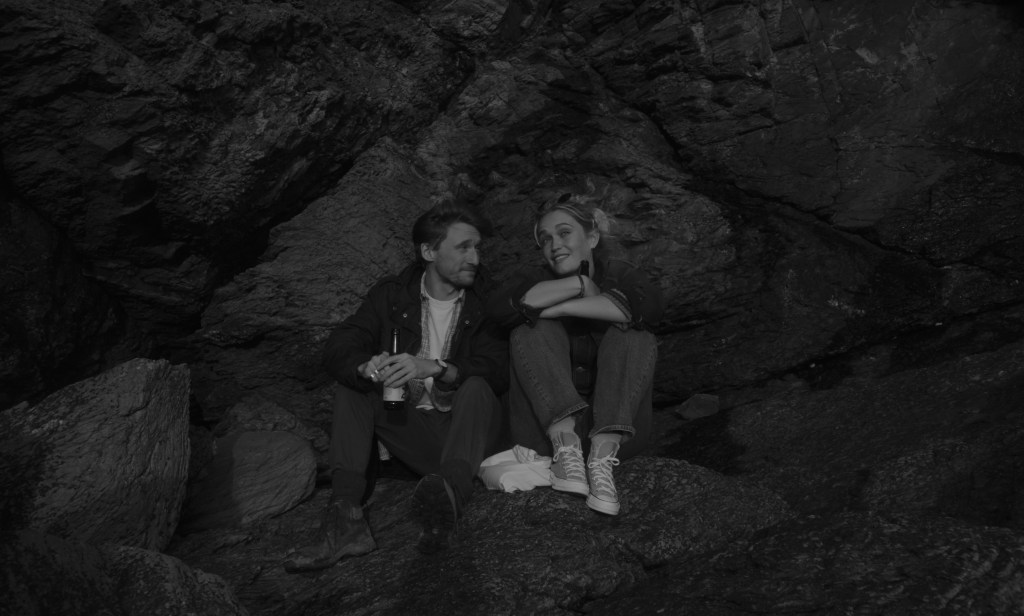
“A lot of people had just come off larger productions and were drawn to something more stripped back. That feeling of picking up a camera with your friends or cousins when you were younger. That’s the atmosphere I always strive to create on set.”
What is Ned Caderni working on?
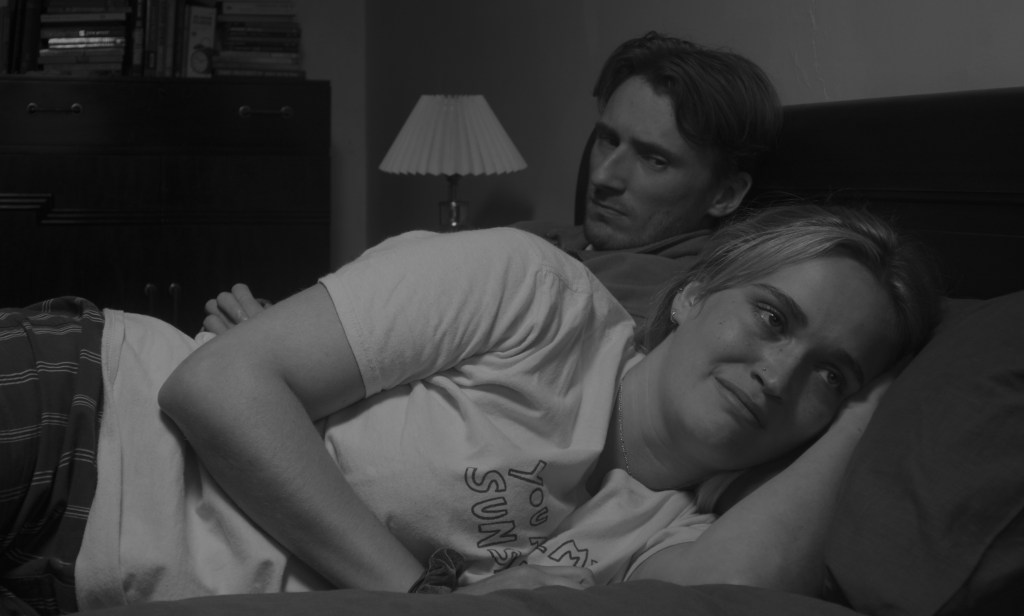
Worm tells the story of Bella and George, a young couple celebrating their one-year anniversary in Angsley, an island off the coast of Wales. The trip quickly sours when Bella begins to receive mysterious emails from her deceased ex-boyfriend. A slow burn horror film (our favorite kind), Worm will premiere at Rich Max, and then be available for rental as of late 2026. When asked what horror underpins the film, Caderni explains that it’s about “the horror of not being able to let go of the past and the horror of feeling homesick.”
When workshopping his ideas for Worm, Caderni used a story drafting technique that he calls his “pub trick.” The pub trick involves inviting a friend out for a drink to discuss your project. “About halfway through,” Caderni explains, “I’ll excuse myself to the bathroom, then come back and start talking about something completely different; guest ales, or which vermouth works best in a Negroni. If they don’t say “wait, what happens next?”, the story probably doesn’t work. If they immediately want you to keep going, you know you’ve got something. With Worm, people always seemed intrigued.”
Worm is shot in black and white, a choice with both artist merit and economic benefit (as Caderni puts it, it’s “one of the oldest tricks in the book when it comes to low-budget filmmaking”). Caderni explains that one of his main goals throughout the production was to maintain a sense of atmosphere in the film, and it shows in the final product.
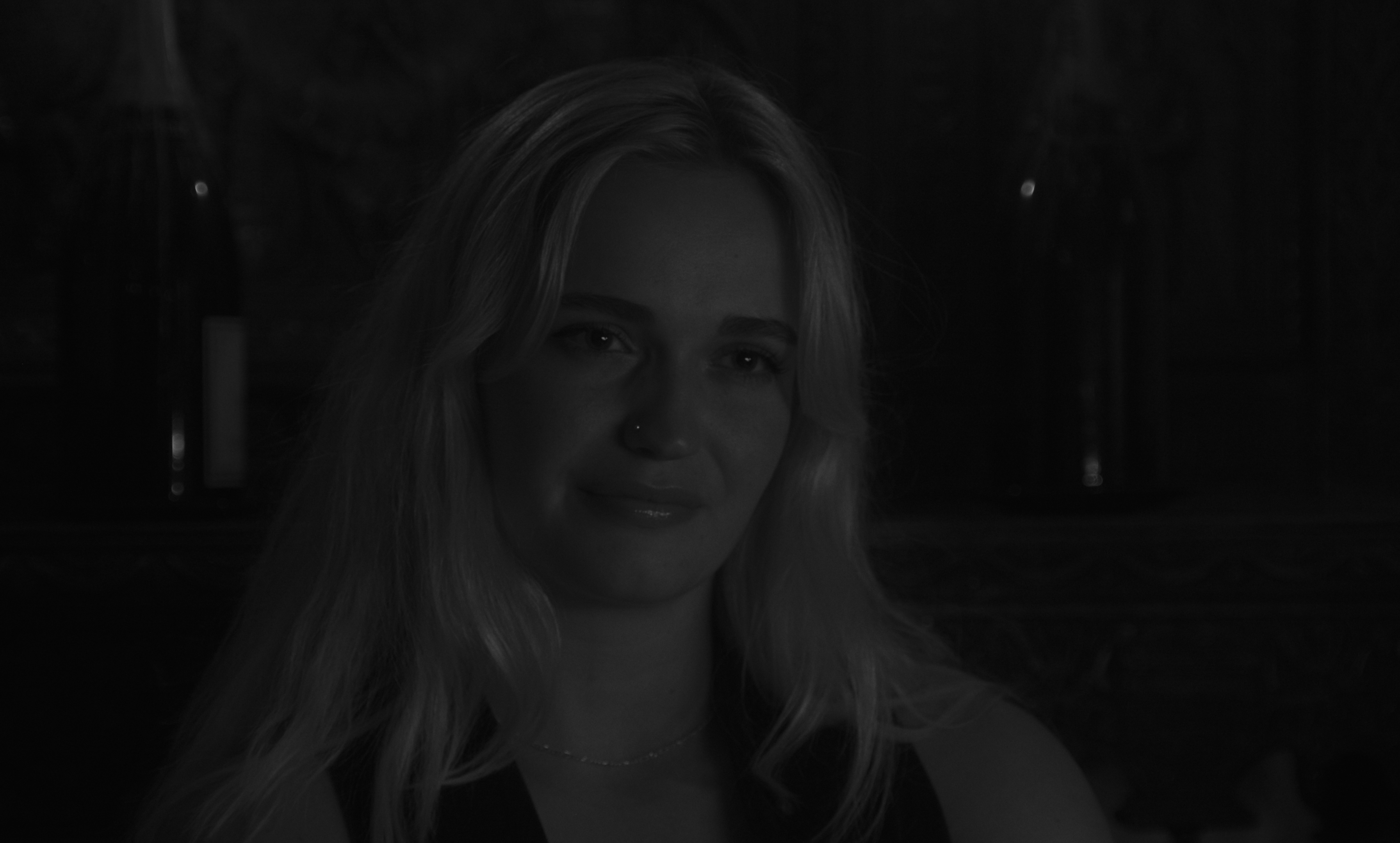
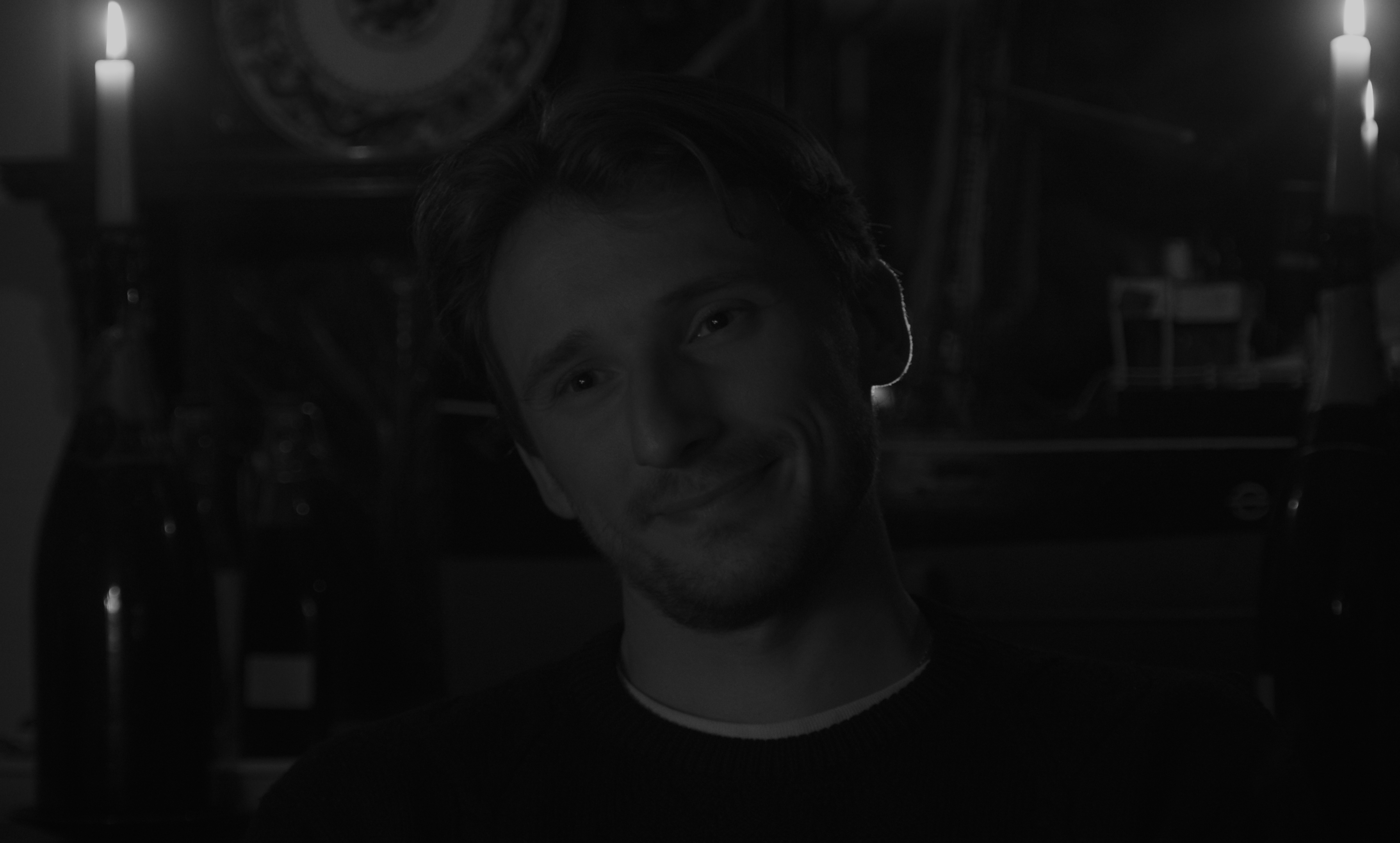
Even before Bella begins to receive her cryptic emails, Worm is a film heavy with dread. Caderni uses a combination of wide outdoor shots and fixed camera points to set the viewer on edge. When characters are outside, they are made tiny and frail by the greatness of a looming sky; it seems like they might be swallowed up by their environment. As Caderni describes, the landscape is “another character in the film.”
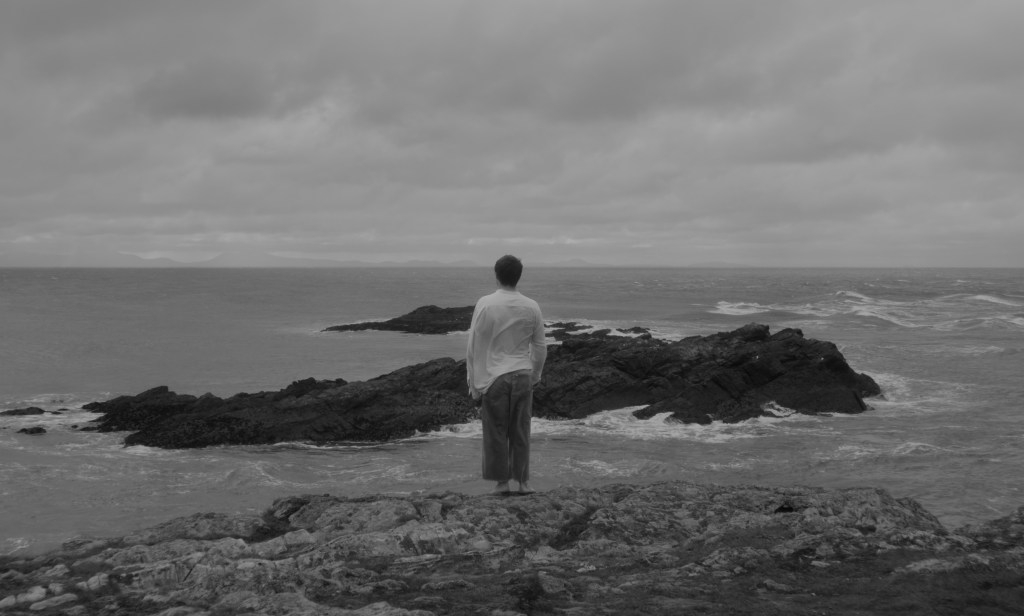
Even indoor shots that can’t take advantage of the gorgeous seaside backdrop find ways to inject an unnerving quality. Often, the camera remains static, with sounds or even dialogue happening offscreen. When we first meet the couple, they are in Bella’s room. George wanders out of eyeshot, and we watch as they discuss the items in her room, items that we the audience cannot see. It is an inverted dramatic irony, and the sensation is discomfiting. Other times, the shot lingers, turning something ordinary like a running washing machine into a source of anxiety. Continuing to explain why they chose black-and-white filmmaking, Caderni says, “it also makes even the more mundane feel cinematic. I was very lucky to work with Ed Glynne Jones and his brilliant camera department, who really brought the space to life.”
What scares Ned Caderni?
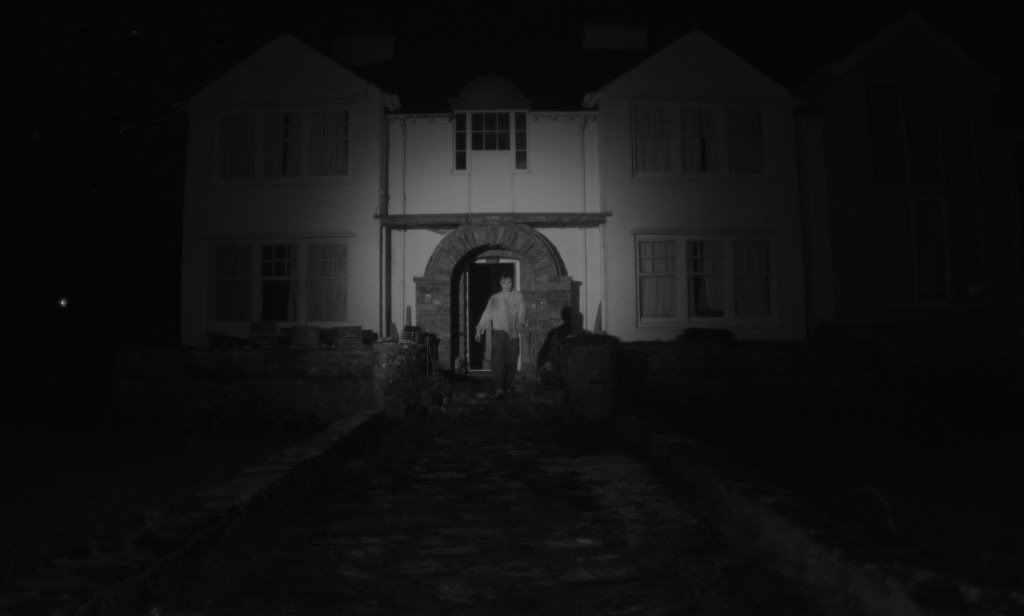
One of my favorite exercises is to try to guess what scares directors based on the kind of horrors they feature in their films. Applying that logic to Worm, I would guess that Caderni fears wide open spaces at an almost existential level; there’s also something there about the fear of being watched without knowing. At least, those are threads that the movie certainly tugs on.
Caderni’s personal taste in horror as a member of the audience tends towards the flashy. He loves jumpscares with a passion befitting a horror fan; according to him, the jumpscare in Exorcist III should be hung in the Louvre. But with Worm, he aimed to do something a little different: “I wanted something slower. I’m rarely scared in the moment; it’s later, lying in bed, when something comes back to me and really unsettles me. That lingering feeling was what we were trying to capture.” He says that if the audience leaves feeling unsettled or uncertain about what happened, then the film succeeded. Caderni gives an example from a test screening where one audience member said a scene “made its way into her dreams, which felt like a good sign.”
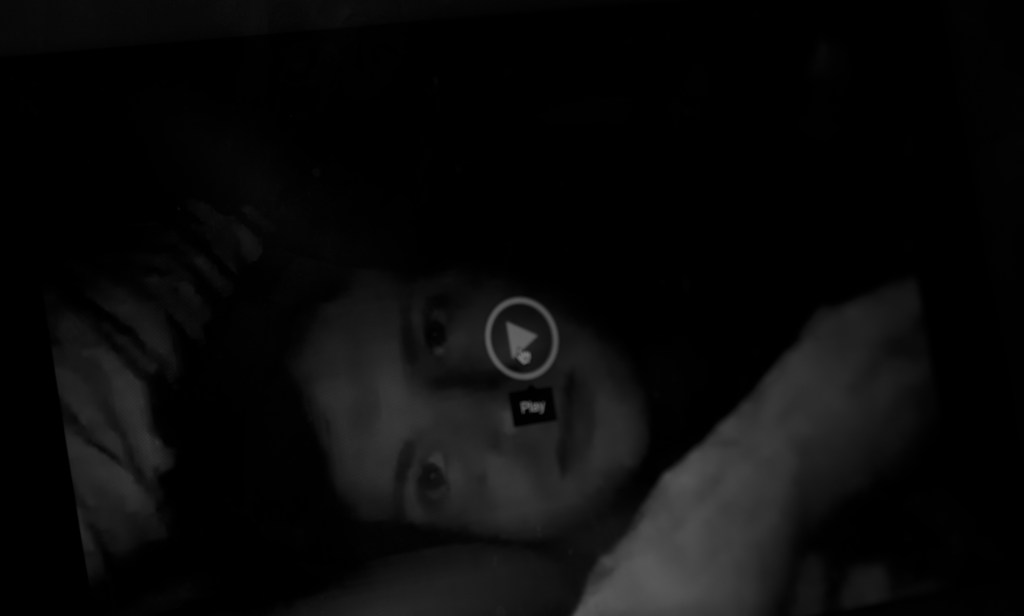
Caderni traces his first foray into horror back to Haunted Scottish Castles, a book given to him by his grandmother when he was young. The idea of a haunted space clearly stuck with him; at nine, he and his friends would research haunted tube stations, and the house by the sea in Worm oozes with a haunting quality. Caderni concludes, “I think the idea of the unexplainable and things that go ‘bump’ in the night continue to fascinate me!”



 Slow Burn Horror
Leave a comment